Why Does My House Smell Like a Dead Animal?
There's a particular kind of unease that comes with noticing a strange, unpleasant smell in your home and not being able to immediately explain it. When that smell has a distinctly sickly, rotten character, it's natural to wonder whether something has died somewhere in the house, and more often than not, that instinct turns out to be correct rather than something else entirely.
At Fresho Dead Animal Removal Brisbane, this exact question, why does my house smell like a dead animal, is one we hear constantly. In this guide, we'll walk through the most likely causes, how to confirm whether a dead animal is actually the source, and what to do once you've identified the problem.
What a Dead Animal Smell Actually Resembles
Decomposition odour has a distinctive character that most people recognise instinctively, even if they've never encountered it before: a sickly sweet, rotten smell that's noticeably different from ordinary household odours like mould, rubbish, or dirty laundry. It tends to be more pungent and cloying, and unlike many other unpleasant smells, it typically doesn't respond to regular cleaning, deodorising sprays, or improved ventilation, since the source is actively ongoing rather than a surface residue.
Common Culprits in Brisbane Homes
Possums are among the most frequent causes of dead animal smell in Brisbane properties, often dying in roof cavities after becoming trapped, unwell, or simply reaching the end of their natural lifespan while sheltering in a comfortable, settled nesting spot. Rats and mice are also common, particularly in wall cavities, subfloor spaces, and areas affected by a broader rodent infestation. Birds, including pigeons and mynas, occasionally become trapped in chimneys, vents, or eaves, unable to find their way back out.
How to Tell If It's Actually a Dead Animal
- The smell has a distinctly sickly, rotten character rather than a musty or mouldy one
- It's concentrated in one specific room or area rather than spread evenly through the home
- The smell intensifies rather than fades with regular cleaning or air fresheners
- There's increased fly activity around a particular spot
- The odour gets noticeably worse with heat, humidity, or when heating or air conditioning is running
Ruling Out Other Common Causes
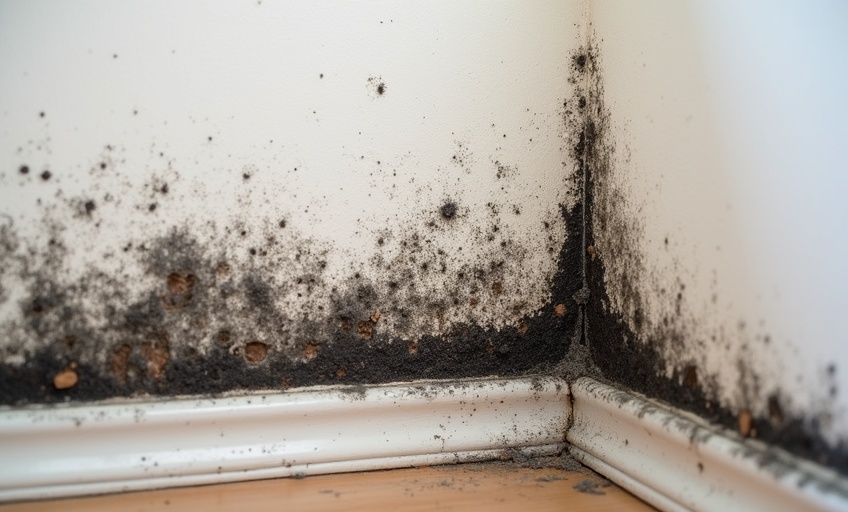
Before assuming the worst, it's worth briefly ruling out other common sources of unpleasant household smells. Mould and mildew, particularly in bathrooms or poorly ventilated areas, produce a musty rather than rotten smell. Blocked or malfunctioning plumbing can cause a sulphurous, rotten-egg odour that's sometimes mistaken for decomposition. Forgotten food waste in an unusual spot, such as behind furniture or in a rarely used bin, can also produce a surprisingly strong, rotten smell that mimics the early stages of animal decomposition.
How Seasonal Changes Affect Dead Animal Discoveries
Dead animal call-outs in Brisbane tend to increase during certain periods of the year, particularly around possum breeding seasons in autumn and spring, when territorial disputes and increased activity can occasionally lead to injury or death among the local possum population. Warmer months also see faster decomposition and quicker odour development, meaning a dead animal problem in summer tends to become noticeable and require attention more rapidly than one occurring during cooler winter weather.
Why the Smell Sometimes Comes and Goes
Some homeowners report that a suspected dead animal smell seems to fade for a day or two before returning, which can be confusing and lead to false hope that the problem has resolved itself. This pattern is often linked to changes in humidity, temperature, and air conditioning use, which can affect how strongly odour compounds are released and carried through the home's airflow, rather than indicating the underlying source has actually gone away.
Where to Start Looking
If you suspect a dead animal, start by identifying which room the smell is strongest in, then narrow it down further by checking near ceiling manholes, air conditioning vents, and any areas where you've previously noticed possum or rodent activity. Ceiling staining, a yellowish or brownish patch developing on the ceiling, is a strong indicator that a dead animal is decomposing directly above that specific spot.
Why the Smell Can Be Hard to Pinpoint
Smell doesn't always travel in a straightforward, predictable path through a house. Airflow through roof cavities, wall voids, and air conditioning systems can carry odour to areas quite distant from the actual source, sometimes making a bedroom or living area smell strongest even when the animal is located elsewhere in the roof. This is one of the main reasons professional inspection, using proper location equipment, tends to be far more dependable than attempting to trace the smell by nose alone.
What Professional Inspection Involves
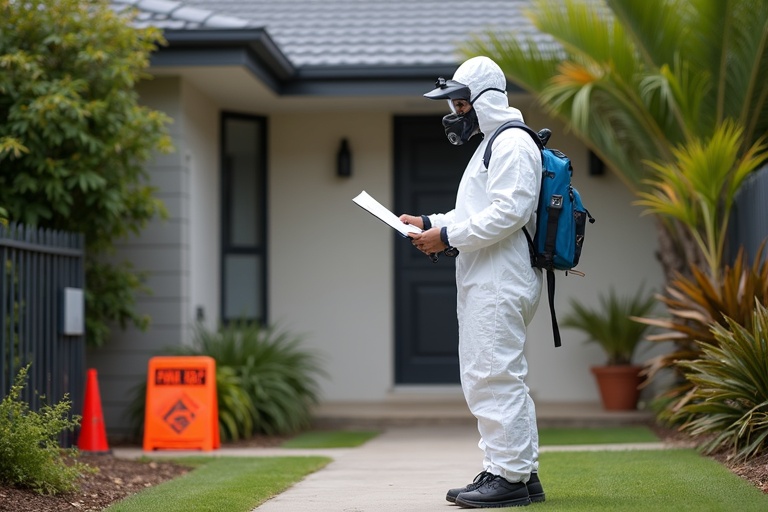
A professional dead animal removal technician uses a combination of methods to accurately locate the source, including following the scent trail systematically, checking for fly activity and ceiling staining, and in more difficult cases, using thermal imaging or fibre-optic inspection cameras to pinpoint the animal's exact location without unnecessary cutting into walls or ceilings.
What Happens Once the Source Is Found
Once located, the carcass is safely removed using appropriate protective equipment, followed by enzyme-based deodorising treatment to address any residual bacteria and odour in surrounding materials like insulation or timber. In cases of significant fluid contamination, insulation replacement may also be recommended to fully resolve the smell.
How Quickly Should You Act?
Given how quickly decomposition progresses, particularly in Brisbane's warm, humid climate, it's worth addressing a suspected dead animal smell as soon as possible rather than waiting to see if it resolves on its own. Our article on What Happens If You Leave a Dead Animal in Your Roof or Wall? explains exactly how the situation tends to escalate the longer it's left unaddressed.
Can You Get Rid of the Smell Yourself Without Finding the Animal?
Attempting to mask the smell with air fresheners, candles, or deodorising sprays without locating and removing the actual source is unlikely to provide any lasting relief. Since the odour comes from active bacterial decomposition, it will continue regardless of what fragrance is layered on top, and in some cases, the combination of the original smell and artificial fragrance can become even more unpleasant and noticeable.
What If You Can't Find Any Signs at All?
If you've checked the obvious areas and still can't identify a source, but the smell continues to fit the profile of decomposition, it's worth arranging a professional inspection rather than continuing to search on your own. Some hiding spots, such as within wall cavities or beneath insulation, simply aren't accessible without proper equipment, and a technician's experience in recognising subtle clues can make a significant difference in cases that aren't immediately obvious.
Frequently Asked Questions
-
How do I know if a smell is from a dead animal or something else?
Dead animal smell has a distinctly sickly, rotten character that intensifies rather than fades with cleaning, and is often concentrated in one specific area, unlike mould or plumbing odours. -
What animals commonly die in Brisbane roofs?
Possums are the most common culprit, followed by rats, mice, and occasionally birds that become trapped in enclosed spaces like chimneys or vents. -
Can I find the dead animal myself without professional help?
Sometimes, particularly in easily accessible roof cavities, but smell doesn't always travel predictably, and hidden locations like wall cavities often require professional inspection equipment. -
Will an air freshener get rid of the smell?
No, air fresheners only mask the smell temporarily and don't address the underlying bacterial decomposition, so the odour will persist until the actual source is removed. -
How urgently should I deal with a suspected dead animal smell?
As soon as possible. Decomposition progresses quickly, particularly in Brisbane's climate, and delaying can lead to worse odour and potential damage to surrounding materials. -
Why does the smell seem stronger in some rooms than others, even far from the roof?
Airflow through roof cavities and air conditioning systems can carry odour to areas quite distant from the actual source, which is why the smell doesn't always seem strongest in the room closest to the animal.
Final Thoughts
A sudden, sickly, rotten smell in your home is one of the more unmistakable signs of a dead animal problem, and while it can be unsettling, understanding what to look for and how to respond takes much of the stress out of the situation. Prompt, professional inspection and removal remain the most dependable way to fully resolve the issue.
If your Brisbane home has developed a mysterious, unpleasant odour, don't wait to find out for certain. Contact Fresho Dead Animal Removal Brisbane today for a fast, thorough inspection and removal service.