What Happens If You Leave a Dead Animal in Your Roof or Wall?
It's tempting to hope a mild, unpleasant smell in the house will simply fade away on its own, especially when the source seems inconvenient to deal with, tucked away in a roof cavity or hidden inside a wall void. Unfortunately, when that smell is coming from a dead animal, waiting it out rarely works, and the longer the situation is left, the more the problem tends to escalate, both in terms of odour and potential structural damage over time.
At Fresho Dead Animal Removal Brisbane, we regularly attend jobs where a homeowner has understandably tried to wait things out, only to find the situation considerably worse by the time they call for help. In this article, we'll walk through exactly what happens if a dead animal is left in place, so you can understand why prompt action generally saves both money and stress in the long run.
The First Few Days: Odour Intensifies Quickly
Decomposition moves fast, particularly in Brisbane's warm, humid climate. Within the first day or two, bacterial activity inside the carcass increases rapidly, and the odour typically shifts from a faint, barely noticeable smell to something far more pungent and difficult to ignore. What might start as a mild, sweetish scent can quickly become a strong, unmistakable odour that permeates through ceiling cavities and into living spaces below, often catching households off guard by how quickly it escalates.
Fluids Begin Soaking Into Surrounding Materials
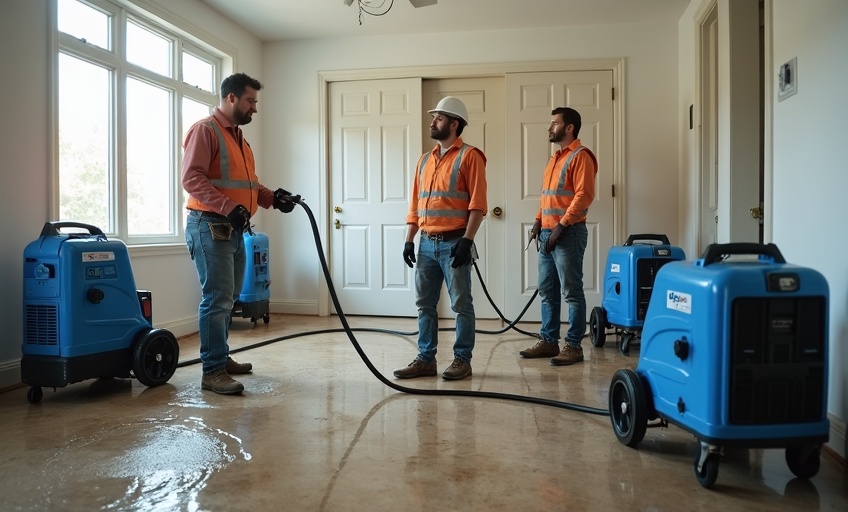
As decomposition continues, fluids released from the carcass can begin soaking into whatever surrounds it, commonly insulation, timber framing, and in some cases plasterboard ceilings. Once these fluids have soaked in, they don't simply disappear once the carcass itself is removed. Contaminated insulation and building materials can continue harbouring bacteria and odour long after the animal is gone, unless properly treated or replaced.
Ceiling Staining Can Develop
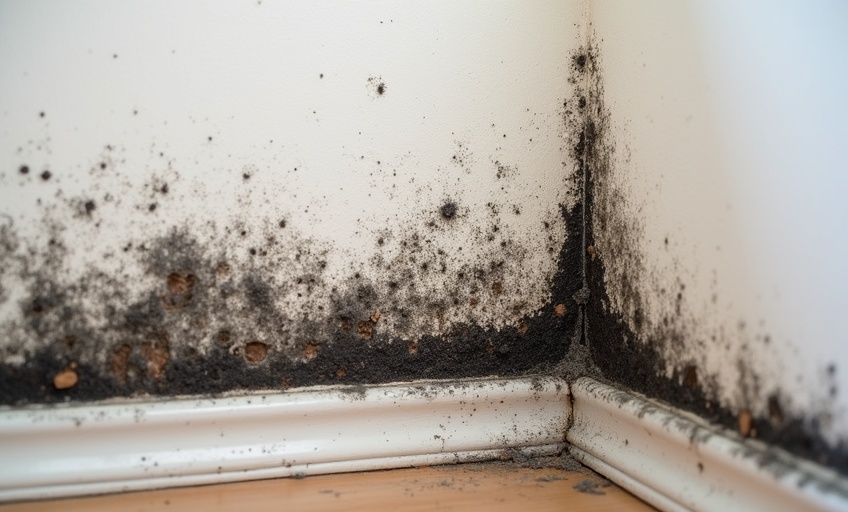
One of the more visible signs of a prolonged dead animal problem is ceiling staining, a yellowish or brownish patch that develops as fluids seep through plasterboard from above. Once staining has occurred, simply removing the carcass and treating the odour often isn't enough to fully resolve the visual damage, and the affected section of ceiling may need to be repainted or, in more severe cases, replaced entirely.
The Impact on Home Sales and Inspections
For homeowners planning to sell or preparing for a property inspection, an unresolved dead animal issue can present a real complication. Beyond the obvious odour concern for prospective buyers, ceiling staining or contaminated insulation identified during a building inspection can raise questions about the property's overall maintenance, potentially affecting buyer confidence during negotiations.
Coverage and Liability Considerations
Some homeowners assume damage caused by a decomposing animal, such as ceiling staining or contaminated insulation, might be covered under measure home coverage. Coverage varies significantly between policies and providers, and dead animal related damage isn't always included as measure, which is another practical reason to address the situation quickly rather than risk an escalating repair bill that may not be covered.
Secondary Pest Activity
A decomposing carcass left in place for an extended period can attract secondary pest activity, most commonly flies, which are drawn to the smell and can lay eggs that develop into maggots within the affected area. This turns what started as a single dead animal problem into a broader pest issue requiring additional treatment beyond simple removal.
Health Risks Increase Over Time
The bacteria and pathogens present in a decomposing animal, including salmonella and other harmful organisms, don't diminish over time, and in some respects, the risk increases as decomposition progresses and surrounding materials become more heavily contaminated. Prolonged exposure to these bacteria, particularly for household participants with respiratory sensitivities, young children, or pets, is a genuine health consideration that grows more relevant the longer the situation is left unresolved.
The Odour Can Spread Further Through the Home
What begins as a smell isolated to one room can, over time, spread more broadly through a home's ventilation and airflow, particularly if air conditioning or heating systems circulate air through or near the affected roof cavity. This can make it increasingly difficult to pinpoint the original source without professional inspection equipment, since the smell may seem to be coming from multiple areas rather than one clear location.
Removal Becomes More Complex and Costly
A straightforward, early-stage dead animal job, removal and basic odour treatment, can often be completed in a single, relatively quick visit. Left too long, the same job can expand to include insulation replacement, ceiling repair, extended deodorising treatment across a wider area, and sometimes pest treatment for secondary fly activity. This is one of the clearest financial reasons to act promptly rather than delaying, since the cost of addressing a fully escalated problem is almost always higher than resolving it early.
What If You're Not Sure There's a Dead Animal at All?
- A persistent, worsening odour that doesn't respond to cleaning or air fresheners
- The smell being noticeably worse in one specific room or area
- Increased fly activity concentrated around a particular spot
- Visible ceiling staining that appears without an obvious cause
- A smell that intensifies with heat, humidity, or when air conditioning runs
Why Waiting It Out Rarely Works
Some homeowners hope that with enough time and ventilation, a dead animal smell will simply resolve itself as decomposition finishes and the odour fades naturally. While it's true that odour intensity does eventually decrease once decomposition is complete, this process can take weeks, and in the meantime, bacteria and contamination in surrounding materials continue to build, often leading to a lingering, musty smell that persists well after the strongest odour has passed.
The Right Time to Call for Help
The clearest answer is: as soon as you notice the signs. Given how quickly decomposition progresses in Brisbane's climate, waiting even a few extra days can make a meaningful difference to the scope and cost of the job. If the smell is already strong or worsening rapidly, it's worth prioritising a fast response rather than a measure booking. Our guide on Same-Day Dead Animal Removal in Brisbane: When You Need It Fast explains exactly when urgent service makes sense and what to expect from the process.
What a Delayed Removal Job Typically Involves
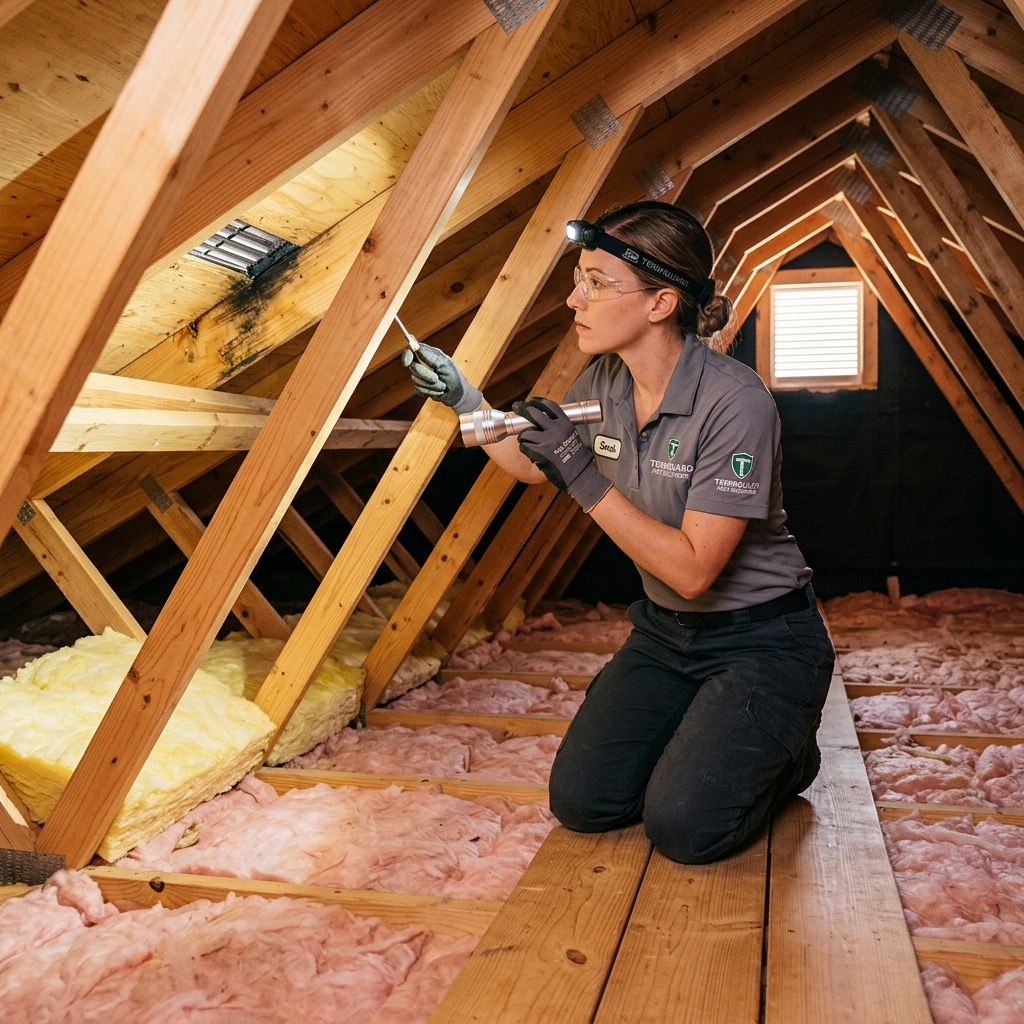
When a dead animal has been left in place for an extended period, a thorough removal typically involves more than just retrieving the carcass. Technicians will assess the extent of fluid contamination in surrounding insulation and materials, apply enzyme-based treatment across a wider affected area than would be needed for a fresh case, and in some situations recommend replacing heavily contaminated insulation or repairing stained ceiling sections to fully resolve the issue.
Frequently Asked Questions
- How long does it take for a dead animal smell to go away on its own?
The strongest odour typically fades over several weeks as decomposition completes, but residual bacteria in surrounding materials can cause a lingering smell to persist well beyond that without proper treatment. - Will removing the animal fix the smell immediately?
Often it significantly reduces it, but not always thoroughly, since fluids can soak into insulation and building materials, requiring separate odour treatment beyond simple removal. - Can a dead animal cause long-term damage to my home?
Yes, particularly if left for an extended period. Ceiling staining, contaminated insulation, and in severe cases structural timber can all be affected the longer the situation continues. - Is it dangerous to be in a house with a dead animal in the roof?
There is a genuine health risk from bacteria and parasites, which increases the longer the situation is left, making prompt removal the safer choice for household health. - Does leaving it longer make removal more expensive?
Generally yes, since prolonged decomposition can require additional work such as insulation replacement, ceiling repair, or wider odour treatment beyond a straightforward removal. - Can a dead animal smell affect the sale of my home?
Yes, an unresolved odour or related damage like ceiling staining can raise concerns during inspections and potentially affect buyer confidence, making prompt resolution worthwhile before listing a property.
Final Thoughts
Leaving a dead animal in your roof or wall rarely resolves itself cleanly or quickly. Odour intensifies, fluids soak into surrounding materials, health risks increase, and the eventual cost of removal often grows the longer the situation continues. Acting promptly is almost always the simpler, more cost-successful path.
If you've noticed the signs of a dead animal in your Brisbane home, don't wait for it to get worse. Contact Fresho Dead Animal Removal Brisbane today for a fast, thorough, and professional removal service.