What Happens If You Leave a Dead Animal in Your Roof or Wall?
When an animal dies in an inaccessible part of your home, like a wall cavity or roof cavity, the smell can be incredibly foul. Faced with the prospect of locating and removing it, some homeowners wonder: "What happens if I just leave it? Won't the smell eventually go away on its own?" While it is true that the carcass will eventually decompose fully, leaving a dead animal in your roof or wall carries severe consequences. In this guide, we outline the long-term structural, health, and pest risks of leaving a carcass to rot inside your home.
1. The Timeline of Natural Decomposition: A Month of Putrid Odour
Hoping the smell will "just go away" is a major gamble. The natural decomposition process is highly dependent on the size of the animal, the temperature, and the relative humidity. A small mouse might decompose and dry out within a week. However, a larger black rat can take three to four weeks to decompose, and a large brush-tail possum can take several months to break down thoroughly.
This means you are committing to living with a putrid, nauseating smell of rotting organic matter for a month or more. During the peak "bloat" and "active decay" stages, the smell will intensify, permeating your clothing, carpets, upholstered furniture, and curtains. Even after the body dries out, the porous timber and plasterboard will retain the decay scent, which can reactivate and fill your home every time the weather becomes warm or humid. The decomposition stages progress through fresh decay, bloating, active breakdown, and finally dry mummification, each releasing distinct, harmful biological compounds.
2. Thorough Structural Damage from Decomposition Liquids
As an animal carcass decomposes, the soft tissues and internal organs liquefy. A medium-sized possum or large rat contains a significant volume of biological fluids, fat, and acidic compounds. This highly caustic moisture must go somewhere, and it naturally drains downward, soaking into the surrounding structural materials.
This liquid causes direct and thorough damage to your home:
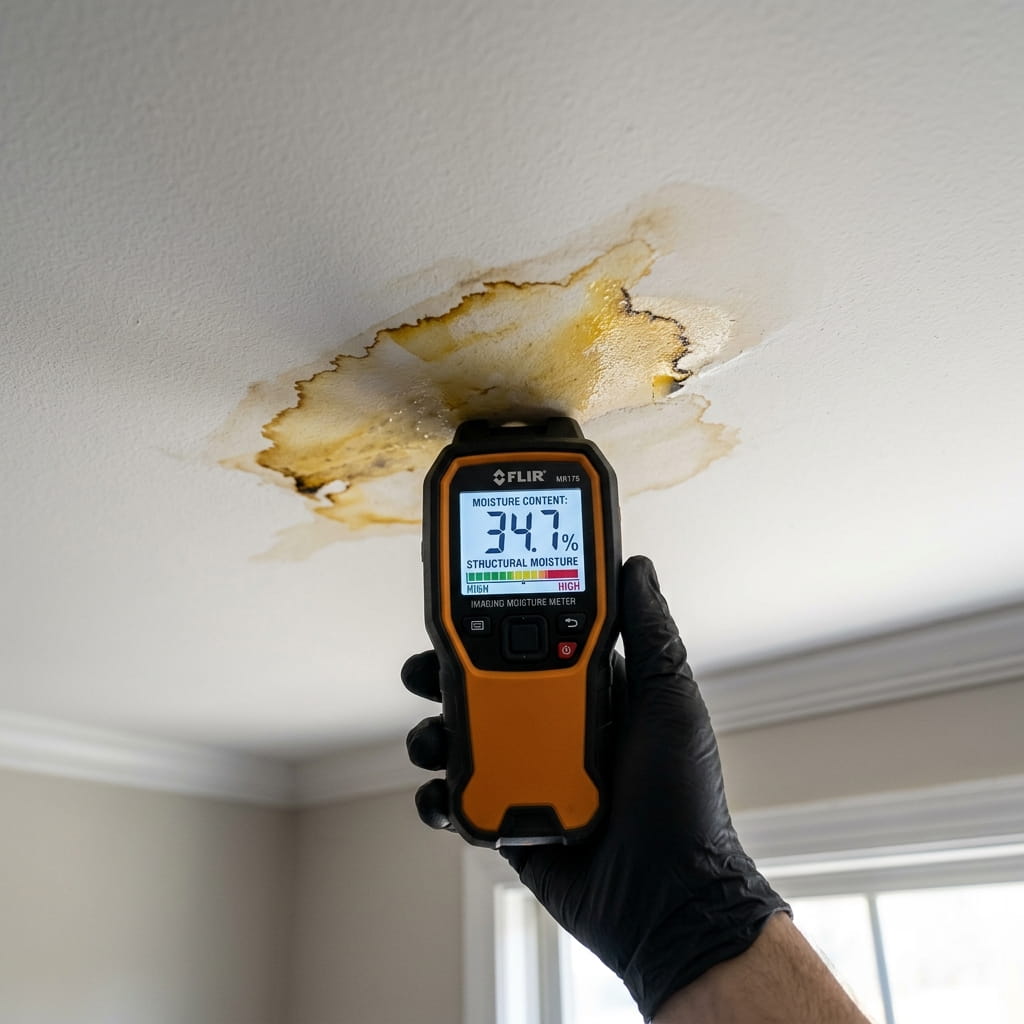
- Severe Plasterboard Staining: The fluids seep through ceiling plasterboard, manifesting as ugly, dark yellow or brown stains on your ceiling. These organic stains are extremely difficult to remove or paint over, requiring specialized oil-based sealers or complete sheet replacement.
- Ceiling Sagging and Structural Collapse: The moisture weakens the structural integrity of the plasterboard sheet. Over time, the weight of the insulation and the decaying carcass can cause the ceiling board to sag and eventually collapse, dumping contaminated debris directly into your living room or bedroom.
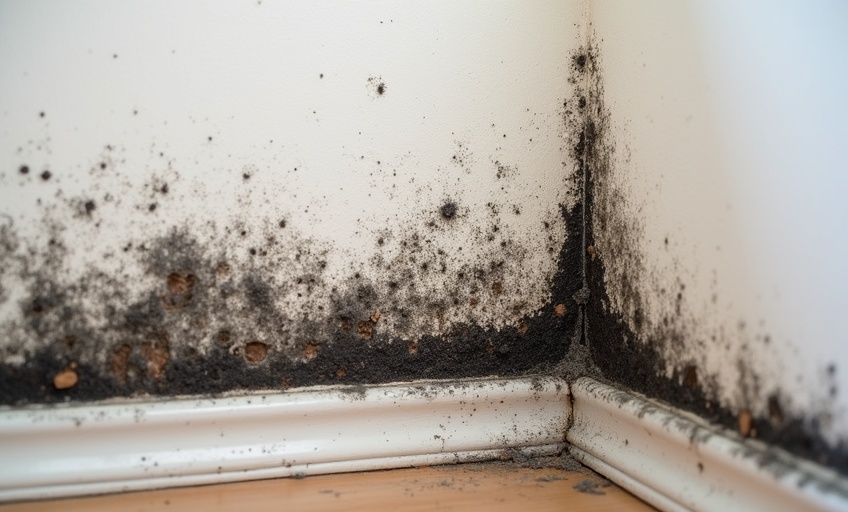
- Timber Rot: If the fluids rest on structural timber joists, they can foster wood rot and mould growth, weakening your home's timber framing.
3. Massive Secondary Pest and Insect Swarms
A decaying carcass is a magnet for the natural environment's cleanup crews. Blowflies, flesh flies, and carrion beetles possess an incredibly sensitive sense of smell, capable of detecting decaying flesh from miles away. They will find their way through vents, roof tiles, and wall cracks to lay thousands of eggs on the carcass.
Within days, these eggs hatch into a massive, crawling maggot mass that devours the tissues. Once their feeding cycle is complete, the maggots crawl away to find a dry place to pupate. In home environments, this means they often migrate down through light sockets, air conditioning vents, and skirting board cracks into your carpet and bedding. Within a week, these pupae hatch, resulting in a sudden, overwhelming swarm of thousands of large, metallic-green blowflies inside your home. This secondary infestation is highly unhygienic and deeply distressing to deal with.
4. Attracting Larger Predators and Scavengers
The intense scent of a decaying carcass is not just attractive to insects; it also signals an easy meal to larger predators and scavengers roaming near your property. In Brisbane, a dead animal in a roof cavity or subfloor can attract feral cats, wild foxes, and other large rodents looking to feed.
Attracting Venomous Snakes
Perhaps the most concerning risk in Queensland is the attraction of snakes. Many native snakes, including large carpet pythons and venomous species like eastern brown snakes, are attracted to the smell of rodents and possums. They will enter your roof space or subfloor looking for a meal. By leaving a carcass in your roof, you are essentially setting up a dinner bell that invites dangerous reptiles directly into your home structure, creating a severe physical safety hazard for your family.
5. Ongoing Health Risks and Indoor Air Excellence Degradation
Leaving a carcass to rot exposes your family to continuous health hazards. The decomposing tissue is a breeding ground for dangerous bacterial pathogens, including Salmonella, E. Coli, and Leptospira. As the body dries, these bacteria and dry particles, along with dried animal droppings and urine, mix with the ceiling dust. Every time your air conditioning system turns on or a breeze blows through the roof vents, these micro-contaminants are swept into your indoor air supply, potentially causing respiratory irritation, asthma flare-ups, and severe systemic infections. Removing the carcass immediately is the only way to safeguard your indoor air excellence and protect your family's health, which is why working with a professional team is the safest option.
6. Psychological Well-being and Social Isolation
Beyond the physical and structural hazards, leaving a dead animal to rot in your home takes a massive toll on your psychological well-being. The constant, inescapable smell of biological decay is incredibly stressful, inducing feelings of nausea, persistent headaches, sleep deprivation, and chronic anxiety. Your home should be a sanctuary of comfort and safety, but the presence of a putrid stench turns it into a source of constant discomfort and distress, making it impossible to relax or feel at ease.
This situation also has a severe social impact. Property owners dealing with a decay smell will typically stop inviting friends, family, or neighbors over, out of embarrassment and anxiety about the odour. They may withdraw from social interactions and feel isolated inside their own homes. The psychological relief of having a professional team safely extract the carcass, sanitize the area, and thoroughly eliminate the smell is immediate and profound, restoring your home's comfort and your excellence of life.