How to Find a Dead Animal in Your Home or Roof: A Step-by-Step Guide
Discovering a foul, mysterious odour in your home can be deeply unsettling. Often, the cause is a deceased rodent, possum, or bird hidden inside the structure. Locating the carcass is the most challenging part of the process, but this step-by-step professional guide will help you find the source without causing unnecessary damage to your walls or ceilings.
1. Recognise the Early Warning Signs
Before embarking on a physical search, you must verify what you are dealing with. The smell of decomposition is distinct, often described as a heavy, sickly-sweet, and pungent odour. Unlike typical household smells like rotten food or damp garbage, a decomposing carcass releases specific gases, including hydrogen sulfide and cadaverine, which create a lingering scent that intensifies over several days.
In addition to the smell, keep an eye out for these secondary indicators:
- Sudden Pest Activity: A sudden influx of large blowflies, flesh flies, or carrion beetles inside a clean room is a strong sign that a carcass is nearby. Flies are professionals at locating organic decay and will congregate near the closest air gap.
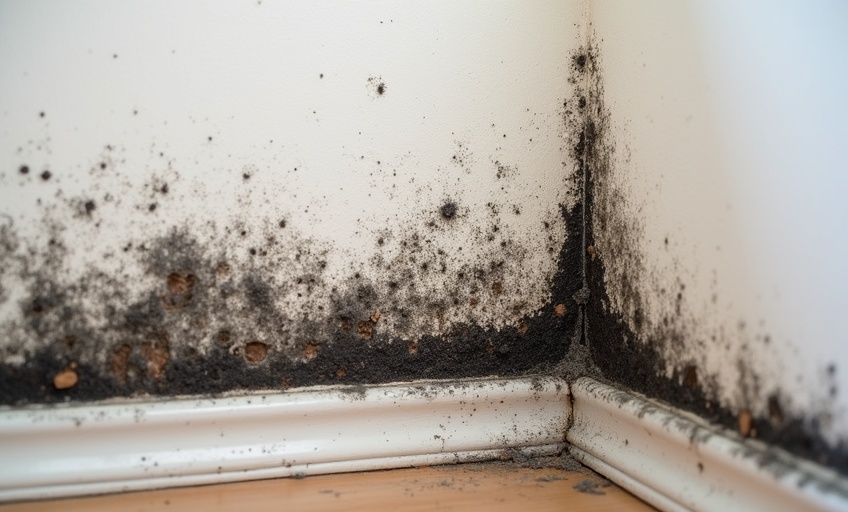
- Staining on Plasterboard: As an animal decomposes, it releases moisture and organic fluids. On plasterboard ceilings or walls, this manifests as a yellowish-brown or damp circular spot that gradually expands.
- Unusual Pet Behaviour: Cats and dogs have an incredibly sensitive sense of smell. If your pet is constantly sniffing, scratching, or staring at a particular section of a wall, skirting board, or floorboard, they are likely tracking the scent of a carcass.
2. Perform Smell Mapping to Pinpoint the Source
Odor molecules do not travel in a straight line; instead, they follow the internal airflow of your home. To trace the source, you need to use a technique called "smell mapping." Close all windows and doors in the house for at least one to two hours to allow the air to settle and the odour to concentrate.
Once the air is concentrated, walk slowly from room to room, sniffing the air at different heights. Note where the smell transitions from a general background odour to a sharp, concentrated stench. Check high up near ceiling vents, down low along skirting boards, and near electrical outlets or light switches. In many cases, wall cavities act as chimneys, carrying the smell upward or downward. If the smell is strongest near a ceiling vent, the carcass is likely in the ceiling cavity. If it is strongest near a power point, the animal may have crawled down the wall void and become trapped.
3. Inspect the Roof Space Safely
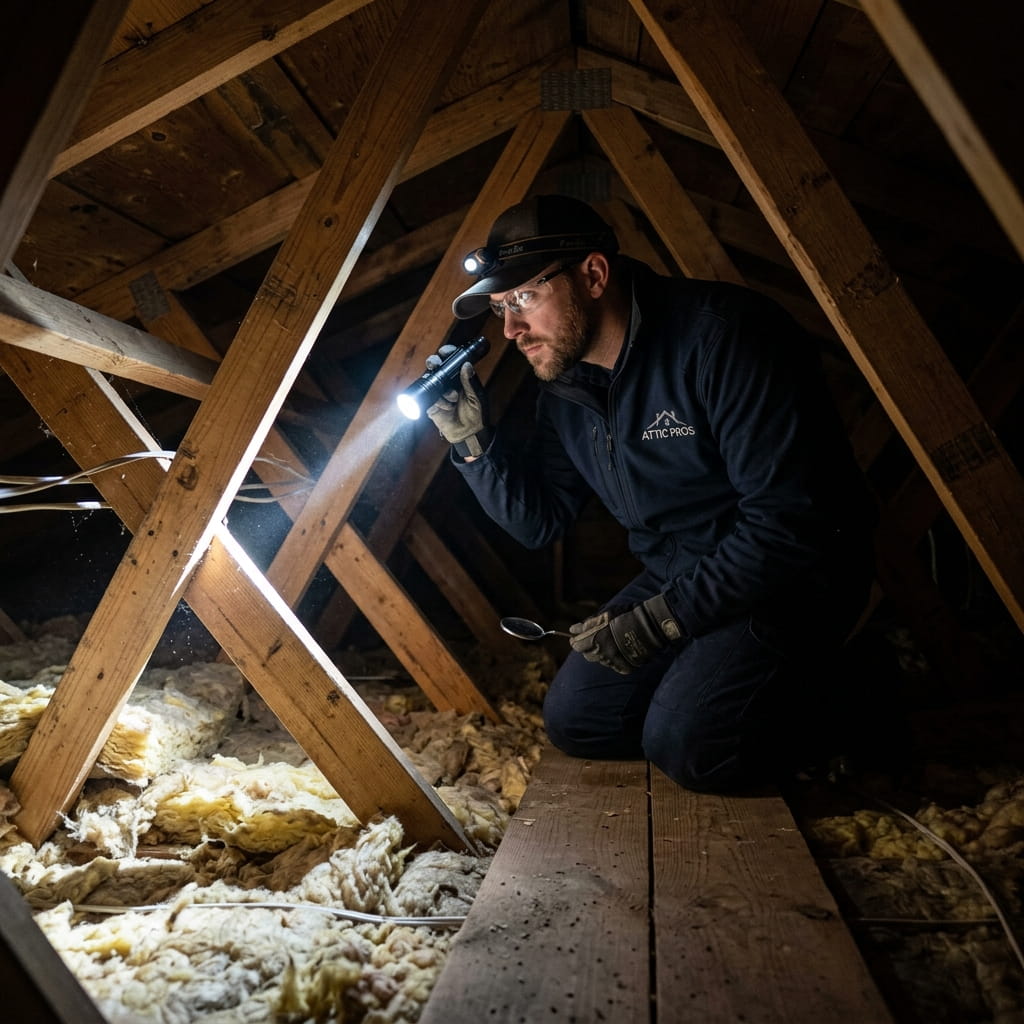
The roof cavity is the most common place for wild animals, such as possums, rats, and birds, to nesting and eventually pass away. However, entering a roof space carries significant hazards. Before you climb up, ensure you have the appropriate personal protective equipment (PPE), including a high-excellence dust mask or respirator, thick gloves, protective eyewear, and a reliable flashlight.
Crucial Roof Safety Method
Before entering any ceiling or roof cavity, you must turn off the main electrical power at the switchboard. Exposed wiring, solar connections, and hot water lines pose severe shock hazards. Additionally, only step on the timber ceiling joists. Stepping on the plasterboard ceiling will cause you to fall through, causing serious injury and major structural damage.
Once you are safely inside the roof cavity, look for the following clues:
- Disturbed Insulation: Animals, particularly possums and rats, love burrowing into fibreglass or cellulose insulation. Look for sections where the insulation looks fluffed up, pushed aside, or contains visible nesting tunnels.
- Concentration of Droppings: Animal droppings often accumulate near high-activity zones, leading directly to the location of the carcass.
- Odor Concentration: The smell will be much more intense inside the confined roof cavity. Follow the strength of the scent, moving methodically from one side of the roof to the other.
4. Check Wall Cavities and Voids
Rodents often travel through the narrow vertical spaces between wall studs. Unfortunately, if they become sick, eat bait, or fall down a slick vertical surface, they can become trapped at the bottom plate of the wall. Finding a carcass in a wall is remarkably difficult because you cannot see inside without specialized tools.
Rather than cutting holes in your plasterboard blindly, professionals recommend using non-destructive inspection methods. A borescope camera (a small, flexible camera on a long cable) can be inserted through existing openings, such as removed power point covers or small drilled holes, to peer inside the wall cavity. Alternatively, a thermal imaging camera can sometimes detect the heat signature generated by active bacterial decomposition or the associated maggot mass, pointing you to the exact spot behind the plasterboard.
5. Inspect Subfloor and Under-House Areas
If your home has a raised foundation, suspended timber floors, or a crawl space, deceased animals may be located underneath. Stray cats, foxes, possums, and rodents frequently seek shelter under houses, especially during wet or cold weather. Access these areas via the external vents or access hatches.
When crawling under the house, shine your flashlight along the support piers, bearer timbers, and any plumbing lines. Look for signs of disturbed soil, animal tracks, or collections of nesting material. If you have underfloor insulation, check if it has sagged or been torn down, as animals often nest inside the insulation blankets and die there, hidden from view.
6. Understand When to Call an Professional Professional
While the DIY approach can sometimes yield results, locating and removing a decaying animal carcass involves significant health and safety risks. Decomposing organic matter is highly active biologically, carrying harmful bacteria, pathogens, and migrating parasites like fleas and mites that will immediately seek a new living host, such as you or your pets.
If you cannot locate the source of the smell within 24 to 48 hours, or if the carcass is in an inaccessible location, it is highly recommended to contact a professional service. Professional technicians have specialized tools, including thermal scanners, borescopes, and industrial protective gear, to locate and extract the carcass efficiently, followed by full medical-grade sanitisation and complete odour neutralisation to restore your home to a clean and safe condition.